
Products
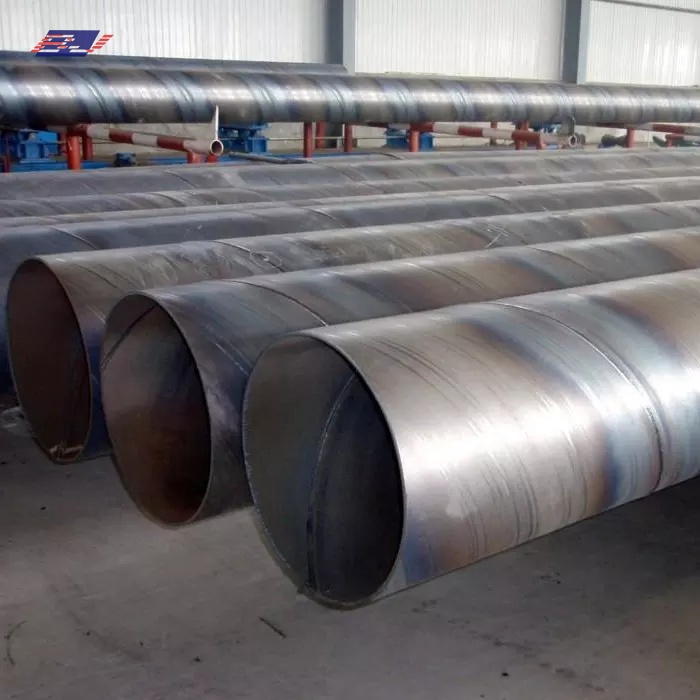
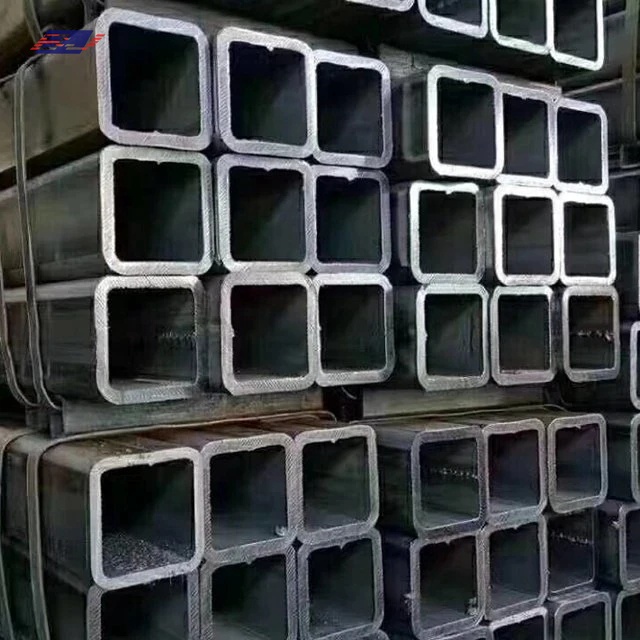
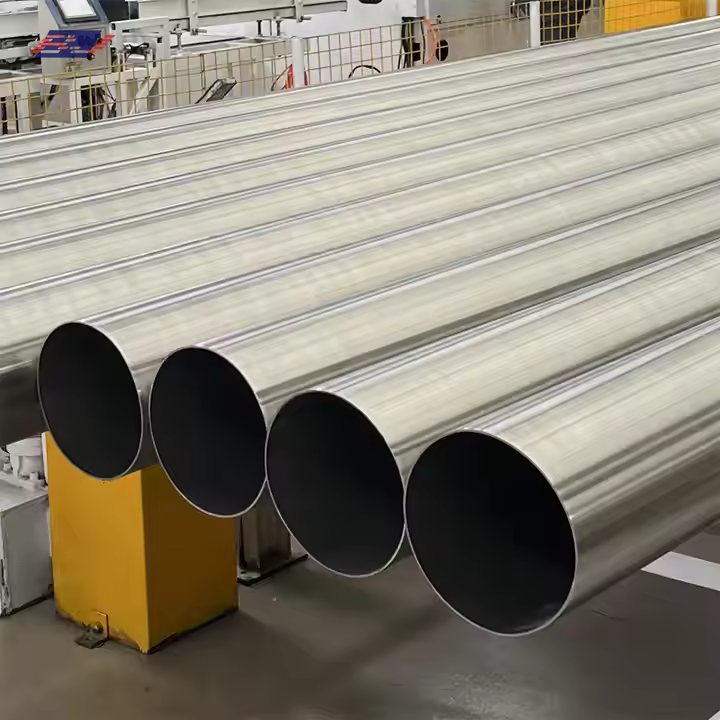
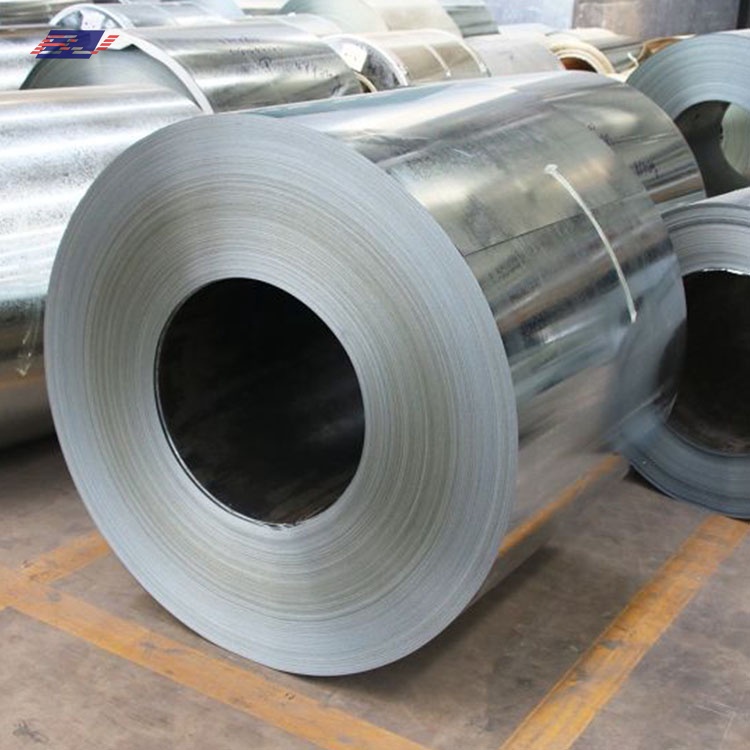
We focus on providing our customers with high-quality galvanized steel coils, color-coated coils, carbon steel coils, and various types of pipes for construction.
PRODUCTS
MESSAGE
‹
›
‹
›
Product Description
Product Parameters
Chemical Composition
Mechanical Properties
Physical Performance
Product Show
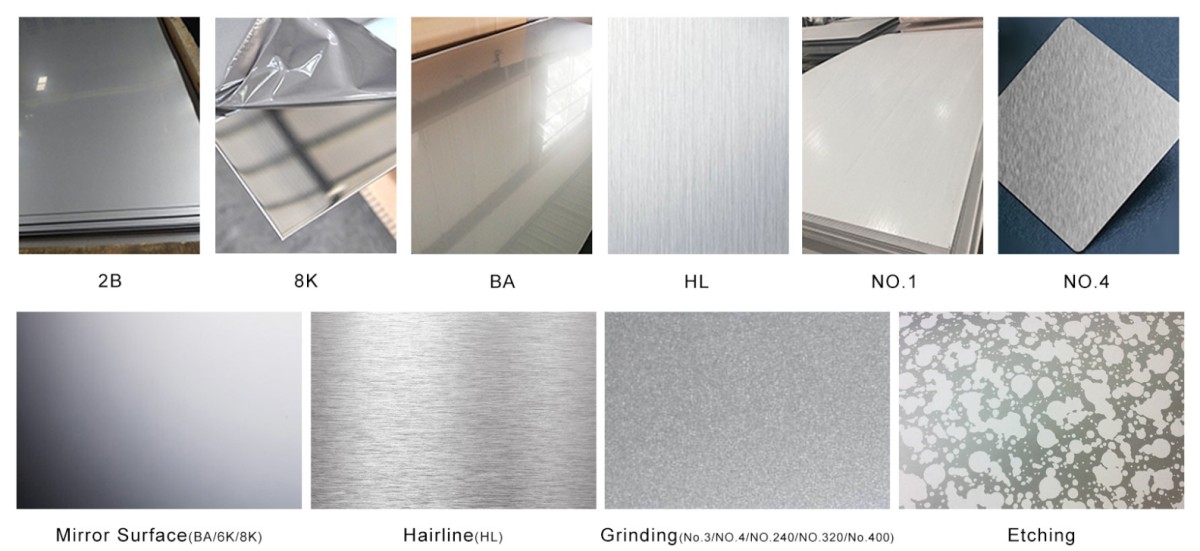
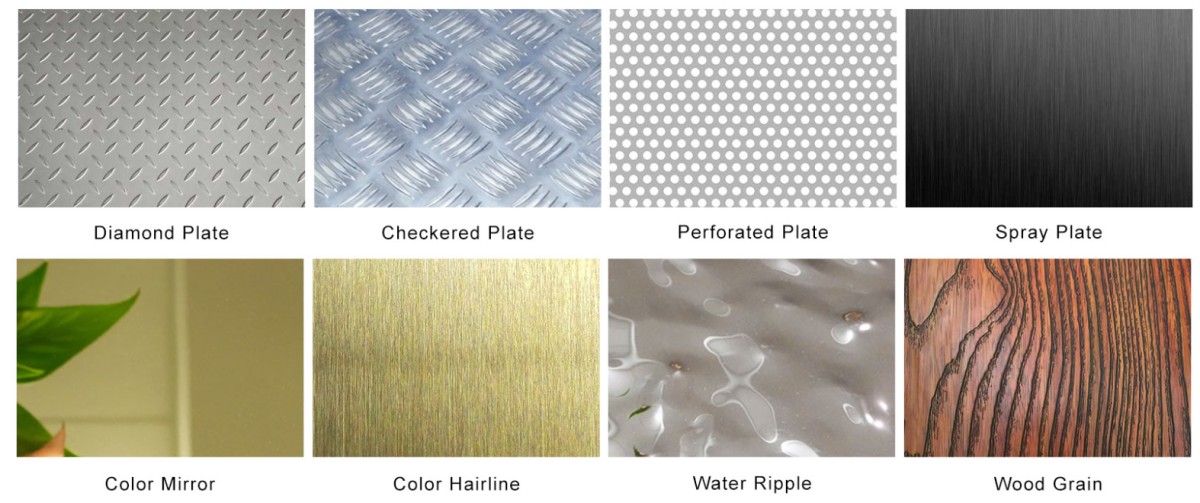
Surface Selection
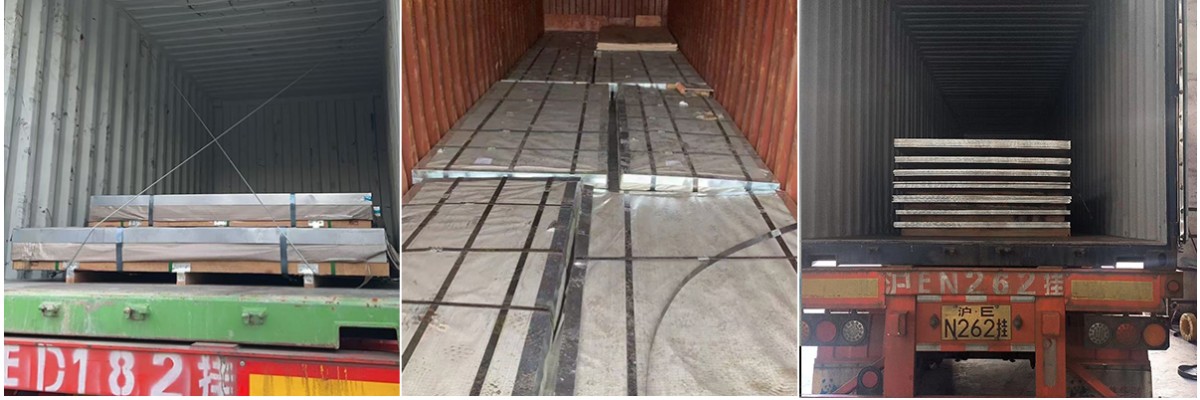
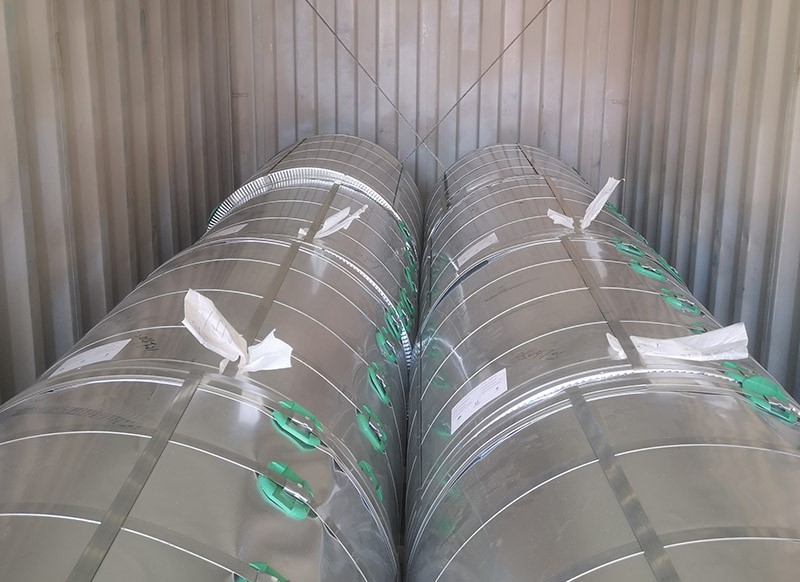
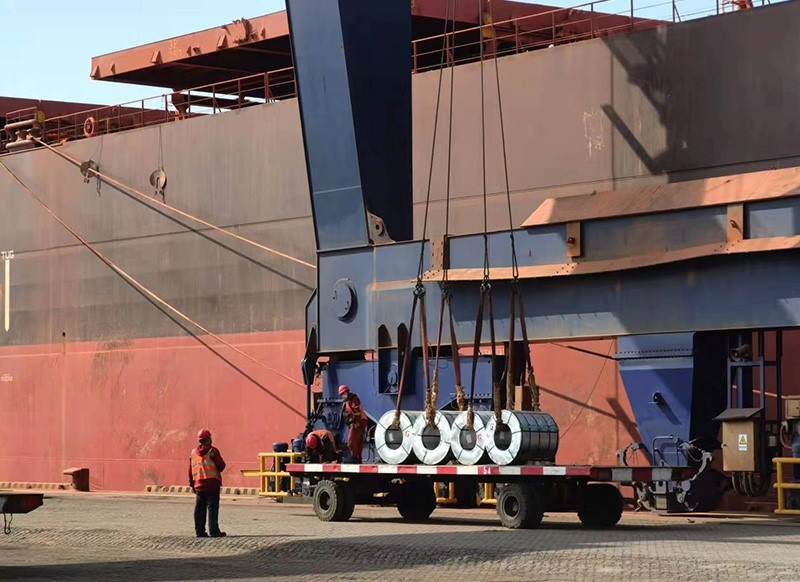
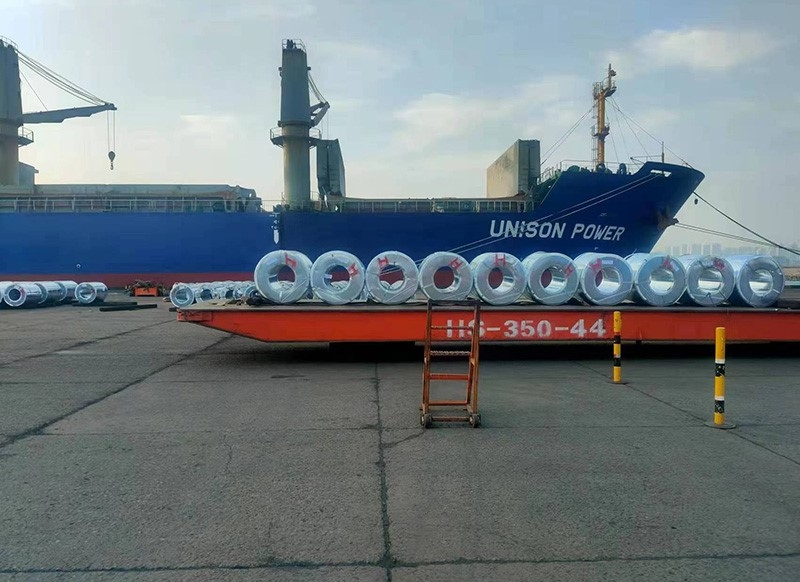
PACKING&SHIPPING
Factory Show
Company Strength
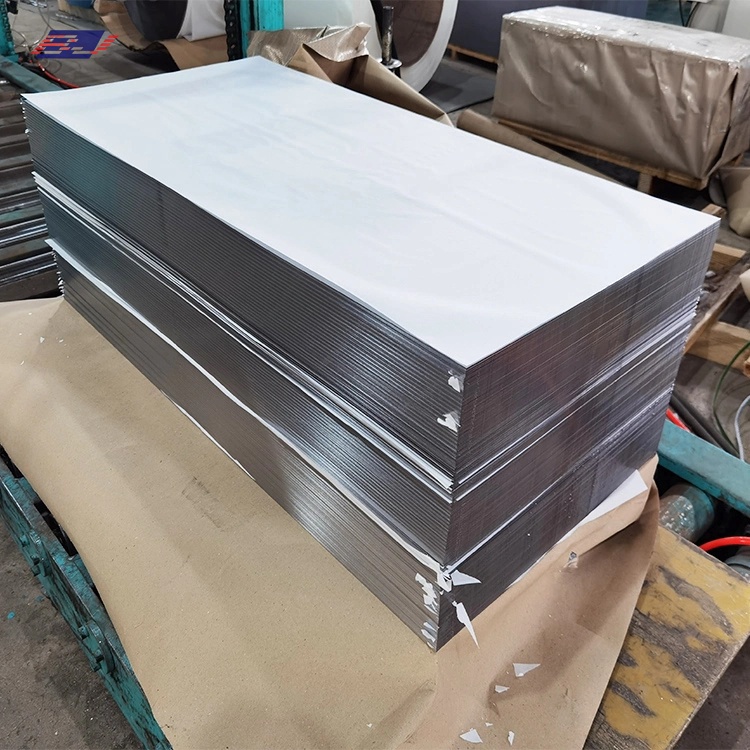
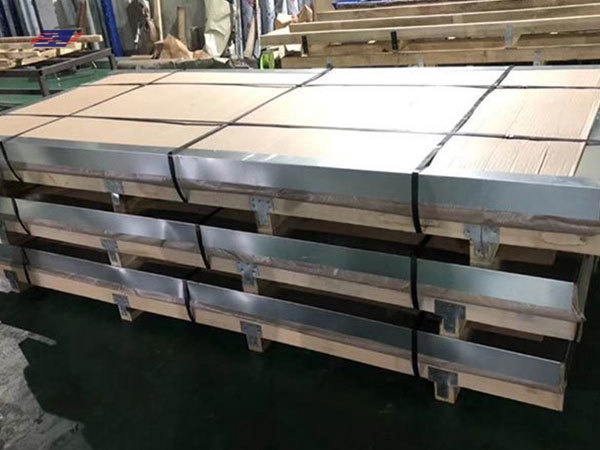
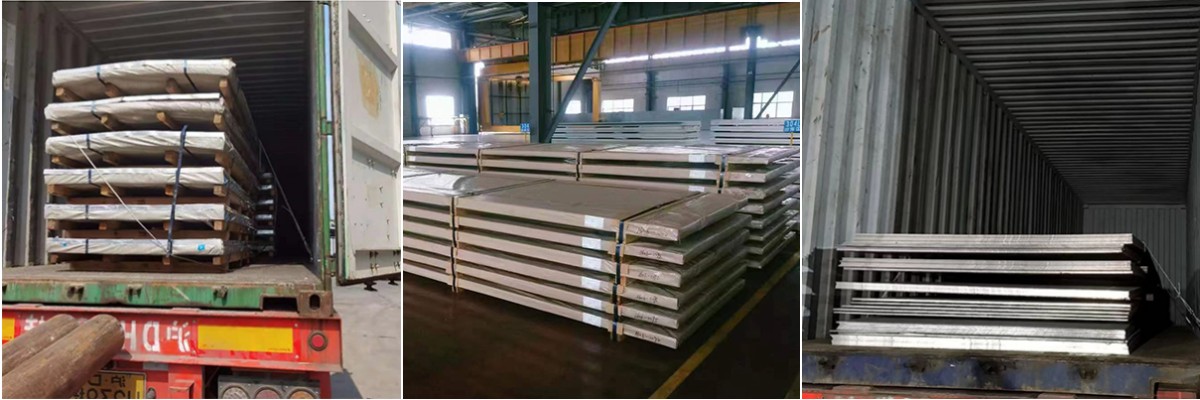
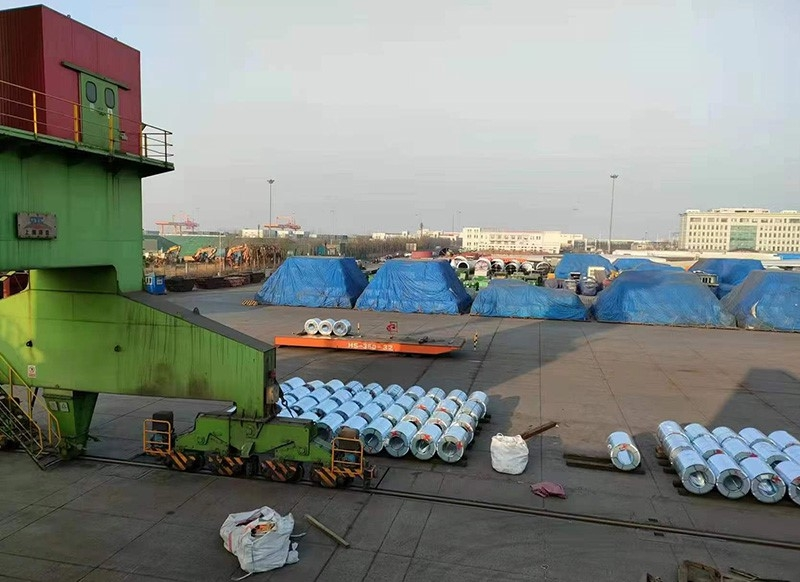
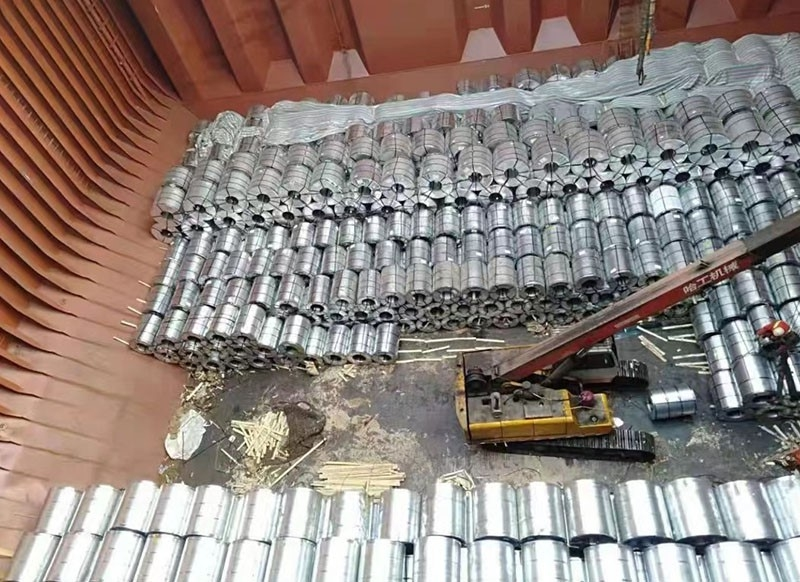
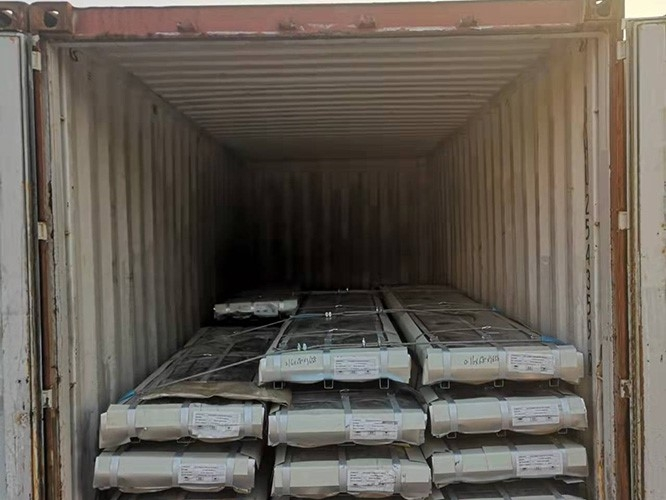
Transport packaging is used to minimize product damage during transportation and distribution, ensure product safety, facilitate storage, transport, loading and unloading, and expedite handover and inspection. People utilize packaging for transportation, storage, and handling. Also known as outer packaging, its main function is to protect goods, prevent damage during storage and transportation, minimize the impact of various external conditions on the goods during transport, and facilitate inspection, inventory, and distribution.
Transport packaging should meet the following basic requirements:
• Sufficient strength, rigidity, and stability;
• Waterproof, moisture-proof, insect-proof, corrosion-proof, and theft-proof capabilities;
• The selection of packaging materials should meet economic and safety requirements;
• The weight, dimensions, markings, and form of the packaging should conform to international and national standards, facilitating handling and loading/unloading;
• Reduce the labor intensity of workers and ensure safe and convenient operation.
The basic principles that should be followed in the design of transport packaging equipment include: standardization and serialization; containerization and large-scale principles; diversification and specialization principles; scientific principles; and ecological principles.
Get Your Free Quote Now!
Related Products
Leave a Message
Thank you for your interest in our products. "*" Indicates the Fields are Mandatory


